
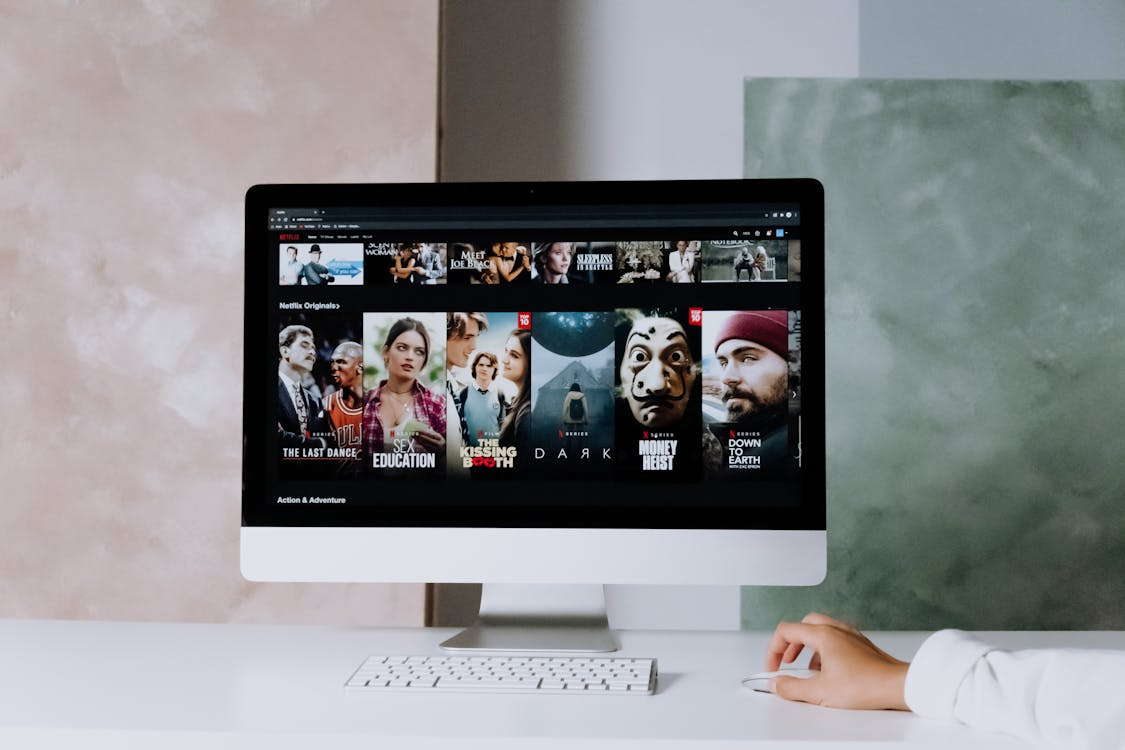
Learning how to time streaming subscriptions around new releases is one of the simplest ways to reduce costs without sacrificing access. It turns streaming from a passive expense into a planned activity.
Most streaming subscriptions are paid month-to-month, but content is not released that way. Shows drop in batches, seasons launch at specific times, and major releases are clustered around certain windows. If you subscribe without considering timing, you often end up paying for multiple months when you only needed one.
Why Timing Matters More Than You Think
Streaming platforms are built on recurring billing, but content consumption is cyclical. You might watch heavily for a few weeks, then barely use the service afterward.
If your subscription spans both periods, you are paying for active and inactive time. That gap is where most of the waste happens.
By aligning your subscription with when content is actually available, you eliminate those periods of inactivity. You are paying for usage, not availability.
This small shift in mindset can significantly reduce your total yearly cost.
Read The Best Months to Subscribe to Each Streaming Service before planning your schedule.
Understanding Release Patterns
Different platforms follow different release strategies. Some release entire seasons at once, making them ideal for short-term subscriptions. Others release episodes weekly, which can extend the time you need to stay subscribed.
For binge-style releases, the best strategy is to wait until the full season is available. Then you can subscribe, watch everything, and cancel within a single billing cycle.
For weekly releases, timing is more important. Subscribing too early can result in paying for multiple months to follow a single show.
A better approach is to wait until most or all episodes are available, then watch them in a shorter window.
Stacking Content for Maximum Value
One of the most effective timing strategies is stacking content. Instead of subscribing to a single show, wait until multiple shows or movies you want are available on the same platform.
This allows you to get more value out of a single subscription period. You are maximizing what you watch while you are paying.
For example, if two major series are released within the same month, subscribing during that window gives you access to both without extending your subscription.
This approach reduces the number of active months you need for each service.
Check The Cheapest Way to Watch Everything You Want to group must-watch titles.
Avoiding the “Early Subscribe” Trap
A common mistake is subscribing as soon as a new show is announced or released. This often leads to paying for several months while waiting for episodes to become available.
Streaming platforms benefit from this behavior because it extends your subscription beyond the actual viewing period.
To avoid this, delay your subscription until there is enough content to justify the cost. This requires a bit of patience, but it can save a significant amount over time.
Behavioral patterns show that people often act immediately rather than strategically, especially when faced with multiple options or new releases.
Timing your subscription breaks that pattern and puts you back in control.
Compare Canceling vs Pausing: What Actually Saves You More? before extending access.
Using Calendars and Reminders
Planning your subscriptions does not have to be complicated. A simple calendar reminder can help you track when shows are released and when your billing cycles begin and end.
You can mark release dates for shows you want to watch and plan your subscription windows around them. Setting reminders for cancellation dates helps you avoid accidentally extending your subscription.
This level of organization turns streaming into a predictable system rather than a reactive one.
It also reduces the risk of unnecessarily overlapping subscriptions.
Combining Timing With Rotation
Timing works best when combined with the subscription rotation method. Instead of keeping multiple services active, you switch between them according to release schedules.
For example, you might use one platform in January for a new series, switch to another in February for a different release, and continue rotating throughout the year.
This approach allows you to maintain access to a wide range of content while keeping your monthly cost low.
It also ensures that you are always paying for something you are actively watching.
Explore The Subscription Rotation Method: How to Save Hundreds a Year for smarter switching.
Making Timing a Habit
The key to success is consistency. Once you start paying attention to release schedules, it becomes easier to plan your subscriptions.
You will begin to recognize patterns in when platforms release content and how long you actually need to stay subscribed.
Over time, this reduces unnecessary spending and increases the value you get from each service.
TV Wallet helps you stay organized by tracking your subscriptions and highlighting when you are paying for services you are not actively using, so you can time your access more effectively.