In some cases, cable vs streaming cost comparisons show that cable can compete with or even undercut a full streaming setup. In others, streaming still offers better value. The difference comes down to how each option is used.
For years, cutting the cord was an easy financial decision. Cable was expensive, rigid, and packed with channels most people did not watch. Streaming offered a cheaper, more flexible alternative. But as streaming prices have risen and subscription stacks have grown, a surprising question has resurfaced: Is cable actually cheaper now?
The answer is not as simple as it used to be.
The Modern Cost of Cable Packages
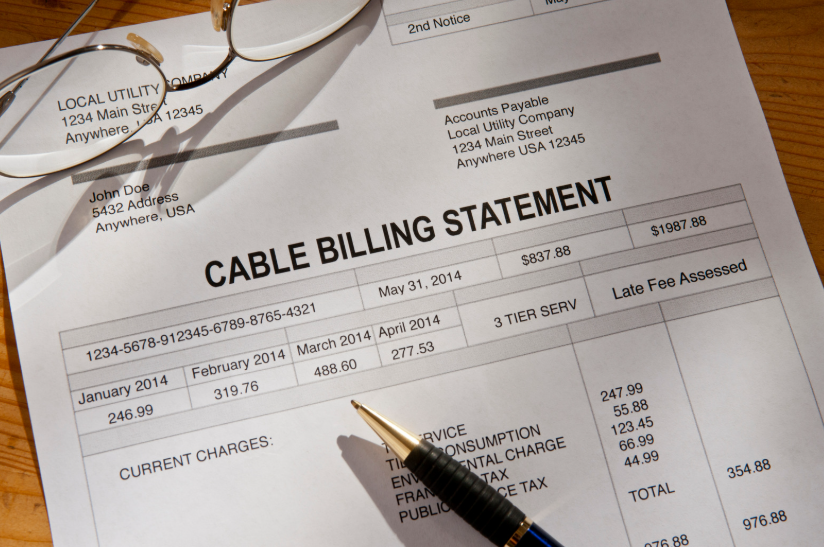
Cable pricing has evolved, but the structure is still familiar. A base package might start around $60 to $80 per month, but the advertised price rarely reflects the final bill.
Taxes, regional sports fees, broadcast fees, and equipment rentals can add $20 to $40 to the base cost. A package that looks like $70 per month can easily become $100 or more once everything is included.
Premium channels, DVR services, and additional boxes push the total even higher. Over a year, a typical cable setup often costs between $1,200 and $1,500.
While that number may sound high, it is important to compare it with what people are actually spending on streaming today.
See The Hidden Fees Behind Live TV Streaming Services before comparing total bills.
The Real Cost of a Full Streaming Setup
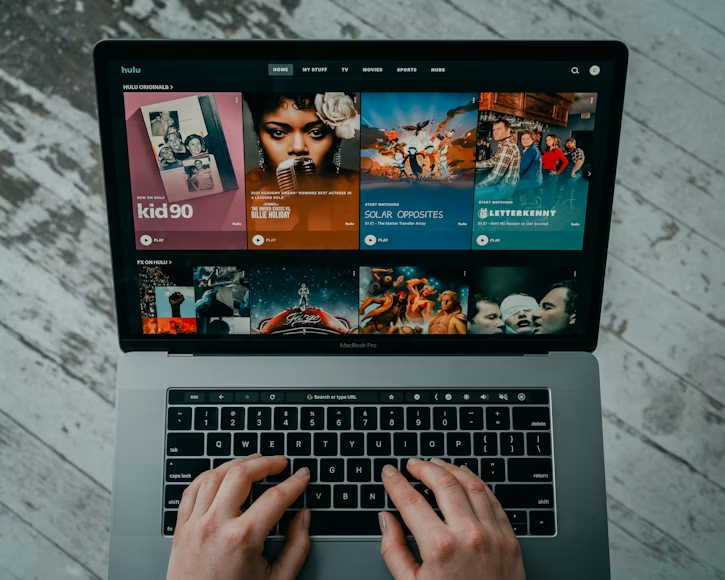
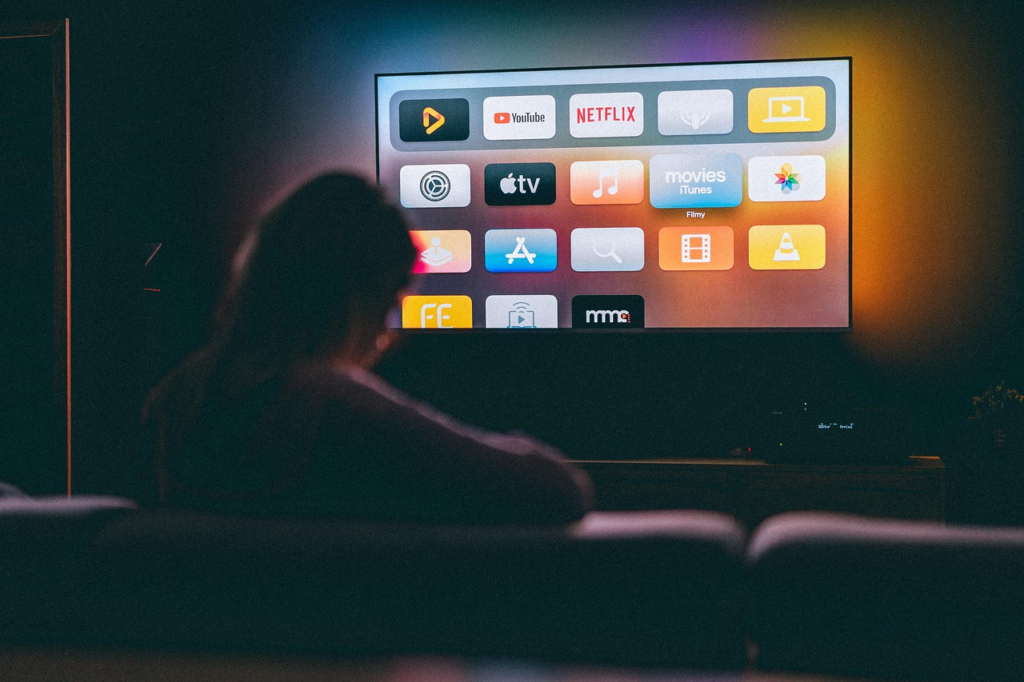
A basic streaming setup can still be relatively affordable. But most households do not stop at one or two services. A more realistic setup includes multiple platforms, upgrades, and possibly a live TV service.
A common combination might include five to seven subscriptions totaling $70 to $110 per month. Add a live TV streaming service for sports or local channels, and the total can rise to $120 or more.
Over a year, that puts many streaming households in the $1,200-$1,800 range. At that level, the cost is equal to or higher than a traditional cable package.
The key difference is that streaming costs are fragmented across multiple services, making them harder to track as a single total.
Check Cost Per Hour: Which Streaming Services Deliver the Best Value? before judging value.
Where Streaming Still Wins
Streaming continues to offer advantages that cable cannot match. Flexibility is the biggest one. You can cancel, pause, or rotate services at any time, allowing you to adjust your spending based on what you are watching.
There is also greater control over content. Instead of paying for large bundles of channels, you can choose specific platforms that match your interests. For many users, this leads to a more personalized experience.
Another advantage is the lack of long-term contracts. Cable often requires commitments or includes penalties for early cancellation, while streaming remains month-to-month.
For users who actively manage their subscriptions, these benefits can translate into real savings.
Read The Subscription Rotation Method: How to Save Hundreds a Year to keep streaming flexible.
Where Cable Still Competes
Cable still has strengths, especially for certain types of viewers. Live sports are a major one. Accessing the same range of sports through streaming often requires multiple subscriptions, which can become expensive and complicated.
Cable also simplifies the viewing experience. Everything is in one place, with a single bill and a consistent interface. For households that value simplicity, this can be a significant advantage.
In some cases, bundled internet service deals can reduce the effective cost of cable. When combined with promotional pricing, cable can be more competitive than many people expect.
The trade-off is less flexibility and often paying for channels that go unused.
Why the Comparison Feels Confusing
The reason this comparison feels unclear is that both models have changed. Streaming has become more expensive and fragmented, while cable has adapted to remain competitive.
At the same time, user behavior plays a role. Many people continue adding streaming services without removing old ones, leading to higher totals than necessary.
When faced with too many options, people tend to avoid reevaluating their setup and instead stick with what they already have. This pattern leads to rising costs over time, whether through cable add-ons or streaming subscriptions.
Without a clear overview, it is easy to assume one option is cheaper without actually comparing the full cost.
Explore Mobile Plans That Include Streaming: Are They Worth It? before comparing bundle costs.
The Real Answer: It Depends on How You Watch
Cable can be cheaper if you rely heavily on live TV, want a simplified setup, and take advantage of bundled pricing. Streaming can be cheaper if you keep your subscriptions limited and rotate them based on what you watch.
The problem is that many people end up combining the two. They keep multiple streaming services while also maintaining a cable or live TV subscription. This hybrid approach often results in the highest total cost.
The best approach is to evaluate your actual viewing habits. Identify which content you watch regularly and which services provide it most efficiently.
TV Wallet is designed to help you make this comparison clearly, turning a confusing mix of subscriptions and bundles into a simple, side-by-side cost breakdown.