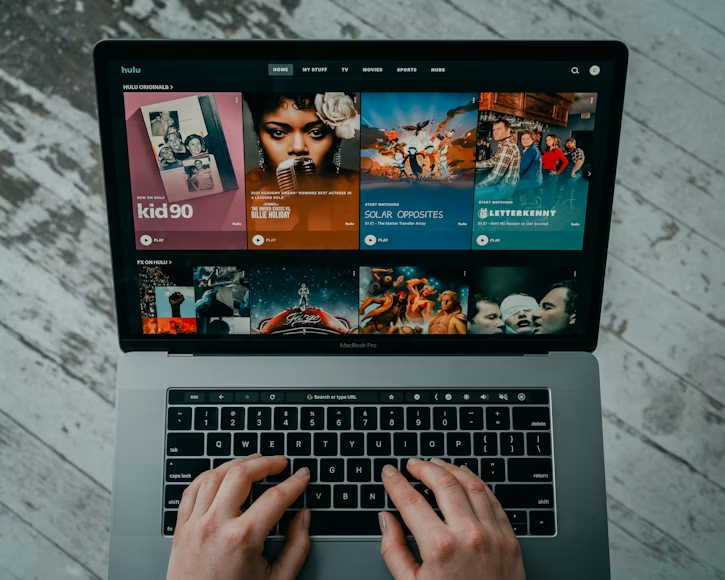
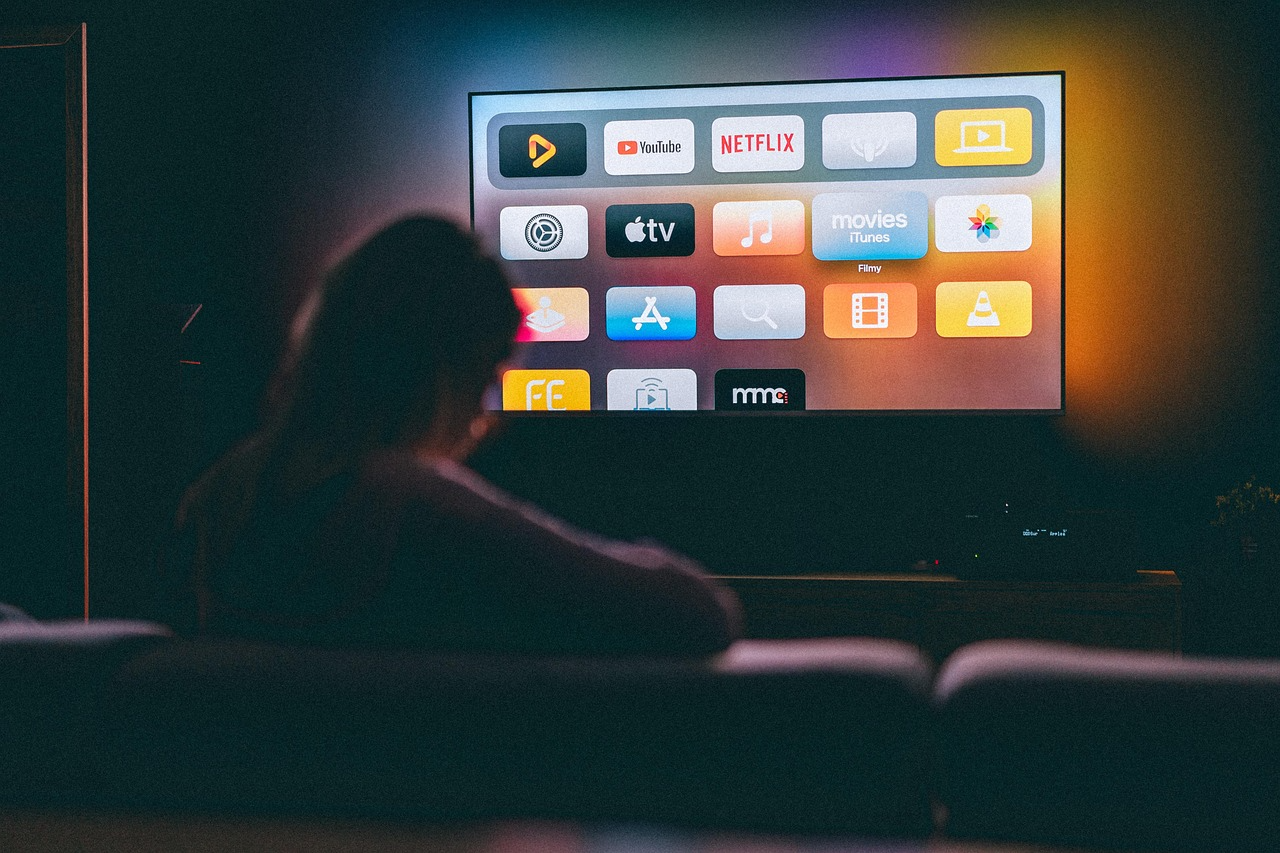
When you subscribe to every major service simultaneously, the cost of every streaming service quickly becomes one of the highest entertainment expenses in your monthly budget.
Some viewers do not want to pick and choose. They want access to everything, every major platform, every exclusive show, every new release. This is the completionist mindset, the idea that the best experience comes from having it all available at once. Streaming makes this possible, but it also makes it expensive.
What Counts as “Everything”
A completionist setup typically includes all major on-demand streaming platforms, plus at least one live TV service for sports and real-time content.
This often means subscribing to six to ten core platforms, depending on how broadly you define “everything.” It may also include niche services for specific genres, premium channels, and add-ons for expanded access.
At this level, the goal is not efficiency or selectivity. It is total coverage. You are paying for access to any show, movie, or event you might want to watch at any time.
While this offers maximum convenience, it also removes the cost controls that make streaming appealing in the first place.
See The Cheapest Way to Watch Everything You Want before subscribing to every platform.
The Monthly Cost of Full Access
A realistic completionist setup might include eight on-demand services, each averaging $12 to $18. That alone can total $100 to $130 per month.
Add a live TV streaming service for $70 to $90, and your monthly cost rises to $170 to $220. Include a few premium add-ons or upgrades, and it can easily reach $200 or more.
On an annual basis, this translates to $2,000 to $2,500. In some cases, it may go even higher depending on the number of add-ons and premium tiers.
At this point, streaming is no longer a low-cost alternative. It becomes a premium entertainment package that rivals or exceeds the most expensive cable bundles.
Read What Your Streaming Subscriptions Actually Cost Per Year to compare yearly totals.
The Illusion of Maximum Value
At first glance, paying for everything seems like the best way to maximize value. You never miss a show, never need to switch services, and always have something to watch.
But in practice, this approach often leads to diminishing returns. There are only so many hours in a day, and most viewers cannot fully consume content across all platforms.
This means a large portion of what you are paying for goes unused. You are buying access, not consumption.
The result is a high monthly cost with relatively low efficiency.
Check Hidden Costs of ‘Free’ Streaming Services before adding more “free” options.
Time vs Cost: The Real Limitation
The biggest constraint for a completionist viewer is not money; it is time. Even with unlimited access, your viewing capacity remains fixed.
If you can realistically watch 40 to 60 hours of content per month, it does not matter how many platforms you subscribe to beyond that. Additional services do not increase your available time.
This creates a mismatch between streaming service cost and usage. The more services you add, the less value each one provides on a per-hour basis.
Eventually, the cost per hour rises instead of falling, even though you have access to more content than ever.
Why People Choose the Completionist Path
The desire to have everything stems from convenience and fear of missing out. No one wants to encounter a show they cannot watch because they do not have the right subscription.
There is also a psychological comfort in knowing that everything is available. It removes the need to decide which services to keep and which to cancel.
Behavioral patterns show that when decisions become complex, people often choose the option that eliminates future decisions. In this case, subscribing to everything avoids the need to evaluate individual platforms.
While this reduces mental effort, it increases financial cost.
A Smarter Alternative to “Having Everything”
You do not need to subscribe to every service at once to access everything. A more efficient approach is to combine a small set of core platforms with a rotation strategy.
Keep two to four services that you use regularly. For the rest, subscribe only when there is specific content you want to watch. Once you finish, cancel and move on.
This approach allows you to access nearly the same range of content over time, but at a fraction of the cost.
You can also prioritize platforms based on current releases, seasonal content, or personal preferences, rather than maintaining constant access to everything.
Explore Free Trials: How to Maximize Them Without Forgetting to Cancel before rotating platforms.
The Real Cost of Completion
Being a completionist viewer is less about necessity and more about preference. It offers maximum convenience but comes at a premium price.
For some, that cost may be worth it. For others, it represents a level of spending that does not match their actual usage.
The key is to recognize the trade-off. You are paying for certainty and convenience, not just content.
TV Wallet helps you see that trade-off clearly, so you can decide whether “having everything” is truly worth the cost or if a more flexible approach delivers better value.