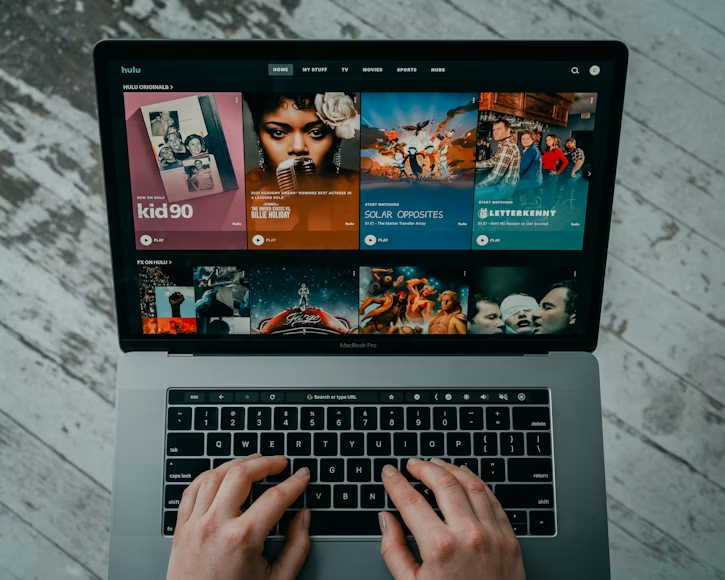

To follow your favorite teams and leagues, you may need multiple services, each covering a different piece of the puzzle. The result is a fragmented system that can quickly add up.
For many people, sports are the last reason to keep cable. Live games, regional coverage, and exclusive broadcasts have traditionally been bundled into one place. When you remove cable, replacing that access becomes more complicated and often more expensive than expected.
Streaming has made sports more flexible, but not necessarily cheaper.
Why Sports Are Harder to Stream
Unlike movies and TV shows, sports rights are split across networks and platforms. Different leagues sign deals with different broadcasters, which means no single service carries everything.
For example, one platform may carry national games, another may handle regional broadcasts, and a third may host exclusive matchups or special events. If you want full coverage, you often need access to all of them.
This fragmentation is what makes sports streaming expensive. Instead of one subscription, you end up building a stack.
See The Hidden Fees Behind Live TV Streaming Services before choosing a live TV plan.
A Typical Sports Streaming Setup
A realistic sports setup usually starts with a live TV streaming service. This provides access to major networks that broadcast games, including local channels and national sports networks.
These services typically cost between $70 and $90 per month. That alone brings your annual cost close to $1,000.
From there, additional subscriptions are often required. League-specific platforms may be needed for out-of-market games or exclusive content. Premium services may include certain events not available elsewhere.
Adding just two more services at $10 to $15 each can push your monthly total to $100 or more. Over a year, that easily exceeds $1,200.
Regional Sports and Hidden Gaps
One of the biggest challenges is regional sports coverage. Local games are often tied to regional networks that may not be included in every streaming package.
In some cases, you need a higher-tier plan to access these channels. In others, they may not be available at all, requiring workarounds or additional subscriptions.
This creates coverage gaps that are not obvious when you first sign up. You may think you have access to everything, only to discover that certain games are missing.
Filling those gaps usually means adding more services, which further increases your total cost.
Explore Mobile Plans That Include Streaming: Are They Worth It? for possible plan-based savings.
The Cost of Following Multiple Leagues
The more sports you follow, the more complex and expensive your setup becomes. A fan who watches a single league may be able to manage with one or two services.
But if you follow multiple leagues, such as football, basketball, baseball, and international events, you may need four or more subscriptions to cover everything.
Each league adds another layer of cost. Even if each service feels affordable on its own, the combined total can rival or exceed a traditional cable package.
This is where many users are surprised. Cutting the cord does not always reduce costs when sports are a priority.
Check Is Cable Actually Cheaper Now? A Modern Cost Comparison before cutting cable for sports.
Why Costs Add Up So Quickly
The main reason sports streaming becomes expensive is that it is driven by necessity rather than choice. If a game is on a specific platform, you need that platform to watch it.
This removes the flexibility that makes streaming attractive in other areas. Instead of choosing what to watch, you are choosing what to pay to maintain access.
Behavioral patterns also play a role. Once a sports season begins, people are less likely to cancel services, even during periods when they are not actively watching. The subscription is tied to the season rather than to daily usage.
This leads to paying for access for months that are used only occasionally.
Is There a Cheaper Way to Watch Sports?
There are ways to reduce costs, but they require planning. One approach is to focus on the leagues or teams you care about most and build your setup around them, rather than trying to watch everything.
Another option is to use seasonal subscriptions. If you only watch during certain parts of the year, you can subscribe during those months and cancel afterward.
You can also look for bundled deals from online or mobile providers that include sports access. These offers can lower the effective cost of some services.
The key is to avoid paying for overlapping coverage or services that you rarely use.
Read Using Telecom Plans to Get Free Streaming Services for more bundled streaming options.
The Bottom Line on Sports Streaming Costs
Streaming sports without cable is possible, but it is not always cheaper. In many cases, it requires multiple subscriptions that add up to a high annual cost.
The advantage is flexibility. You can customize your setup based on what you watch. The downside is complexity and the potential for higher spending if you are not careful.
TV Wallet helps simplify this process by breaking down your sports streaming setup into clear costs, so you can decide exactly what access is worth paying for.