Choosing the right option between a smart TV vs streaming device can affect not only your upfront cost, but also how often you need to upgrade and how efficiently your system runs over time.
When setting up a home streaming system, one of the first decisions is whether to rely on a smart TV or use a separate streaming device. On the surface, a smart TV seems like the simpler option. Everything is built in, no extra hardware required. But when you look at long-term costs and performance, the answer is not always that straightforward.
The Upfront Cost Comparison
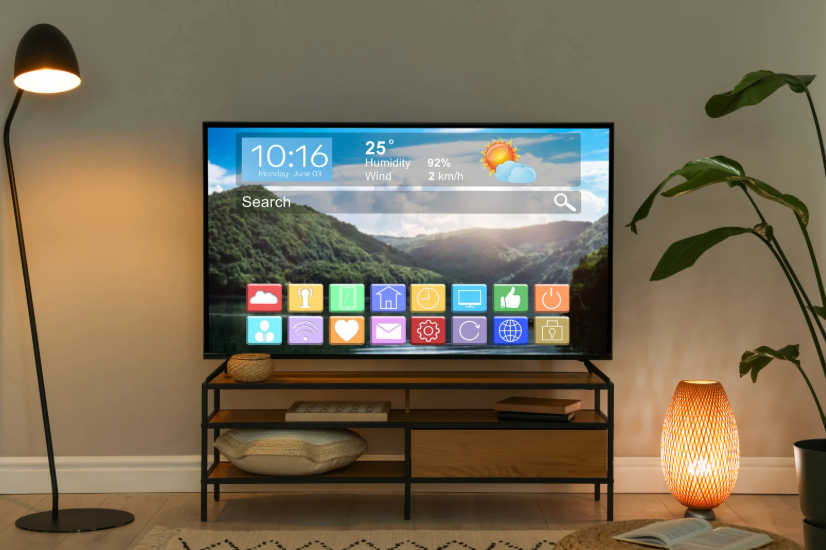
Smart TVs often cost more upfront because they include built-in streaming software. Even at lower price points, part of what you are paying for is the operating system and app ecosystem.
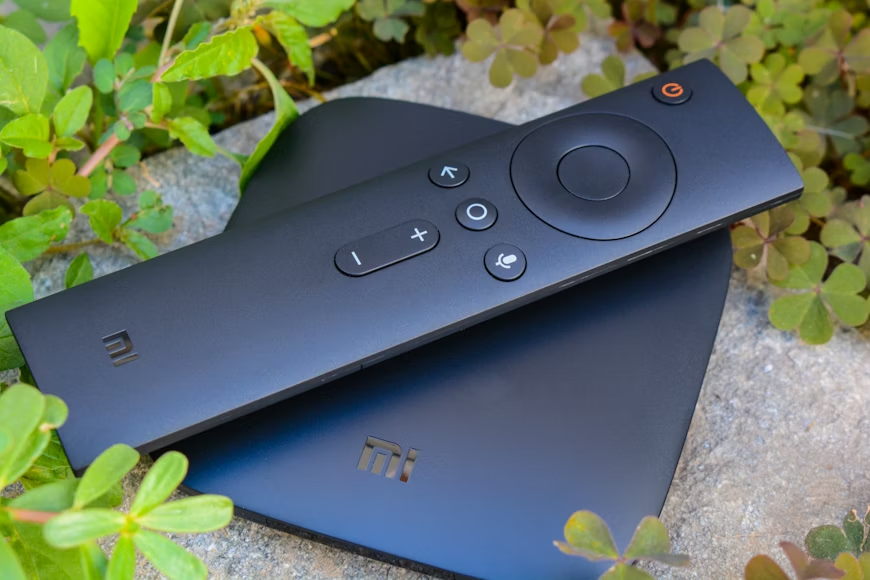
Streaming devices, on the other hand, are relatively inexpensive. Many options are available for under $50, with more advanced models still costing far less than a new TV.
If you already own a TV, adding a streaming device is almost always the cheaper option. You avoid replacing hardware that still works and gain access to modern features at a lower cost.
The real question is not just what you pay now, but what you will pay later.
See Budget vs Premium Streaming Devices to compare price, features, and value.
The Lifespan Factor
One of the biggest differences between smart TVs and streaming devices is how long they stay current.
Smart TVs tend to age faster on the software side. Over time, apps may become slower, lose support, or stop updating altogether. When this happens, the TV itself may still work, but the streaming experience declines.
Streaming devices are easier to replace. If performance drops or new features are released, you can upgrade the device without replacing the entire TV.
This extends your TV’s usable life and reduces the need for expensive upgrades.
Over several years, this difference can lead to significant savings.
Performance and User Experience
Streaming devices often offer better performance than built-in smart TV platforms. They are designed specifically for streaming, with faster processors and more consistent updates.
This results in smoother navigation, quicker app loading, and fewer technical issues. While smart TVs have improved, many still lag behind dedicated devices in terms of responsiveness.
A better user experience may not have a direct price tag, but it affects how efficiently you use your system. Faster access means less time navigating and more time watching.
In some cases, it can also reduce the frustration that leads people to upgrade hardware sooner than necessary.
Explore Building the Ultimate Streaming Setup for practical budget-friendly setup ideas.
Upgrade Cycles and Long-Term Costs
Smart TVs are typically replaced every five to seven years, sometimes sooner if performance declines. Because the streaming software is tied to the TV, upgrading the experience often means replacing the entire unit.
Streaming devices follow a much shorter and cheaper upgrade cycle. You can replace them every few years for a fraction of the cost of a new TV.
For example, replacing a $50 device every three years costs far less than replacing a $500 TV over the same period.
This flexibility allows you to keep your system up to date without making large purchases.
Hidden Costs and Limitations
Smart TVs can come with hidden limitations. Some platforms may not support all streaming services, or they may receive updates more slowly.
There can also be differences in app availability or performance depending on the brand and model.
Streaming devices tend to offer broader compatibility and more consistent updates. This reduces the risk of losing access to certain services over time.
Behavioral patterns show that when systems become inconvenient or limited, people are more likely to replace them entirely rather than find incremental solutions.
Using a streaming device can help avoid this by providing a more adaptable setup.
Check Do You Need a New TV to Stream Efficiently before replacing working hardware.
Which Option Actually Saves More?
If you are buying a new TV anyway, a smart TV is a reasonable choice. It provides built-in functionality and reduces the need for additional hardware.
However, relying solely on smart features may not be the most cost-effective approach in the long term. Pairing a smart TV with a streaming device often delivers better performance and flexibility.
If you already own a TV, adding a streaming device is almost always the cheaper and more efficient option.
The ability to upgrade the device separately from the TV is what creates long-term savings.
Read The Cheapest Setup for a Complete Home Streaming System to compare lower-cost options.
Building a Cost-Efficient Setup
The most efficient approach is often a hybrid one. Use a smart TV for its display and basic functionality, and rely on a streaming device for performance and app access.
This combination allows you to extend your TV’s lifespan while keeping your streaming experience up to date.
TV Wallet helps you evaluate these decisions in the context of your overall setup, so you can balance upfront costs with long-term savings and build a system that works for your budget.