The real question is not whether newer TVs are better, but whether upgrading actually improves your streaming experience enough to justify the cost.
Streaming platforms constantly promote higher quality video, faster performance, and new features. It is easy to assume that keeping up requires upgrading your TV. But in most cases, your current setup is more capable than you think.
What “Efficient Streaming” Really Means
Efficient streaming is not about having the latest hardware. It is about getting smooth playback, reliable app access, and good picture quality without unnecessary cost.
If your TV can run your preferred apps, stream content without buffering, and deliver a picture you are satisfied with, it is already doing its job.
Many people equate efficiency with performance upgrades, but in reality, efficiency is about value. Spending hundreds of dollars for marginal improvements rarely improves overall efficiency.
Understanding this distinction helps you avoid unnecessary upgrades.
See Internet Speed vs Streaming Cost: Are You Overpaying? before upgrading your setup.
When Your Current TV Is Still Enough
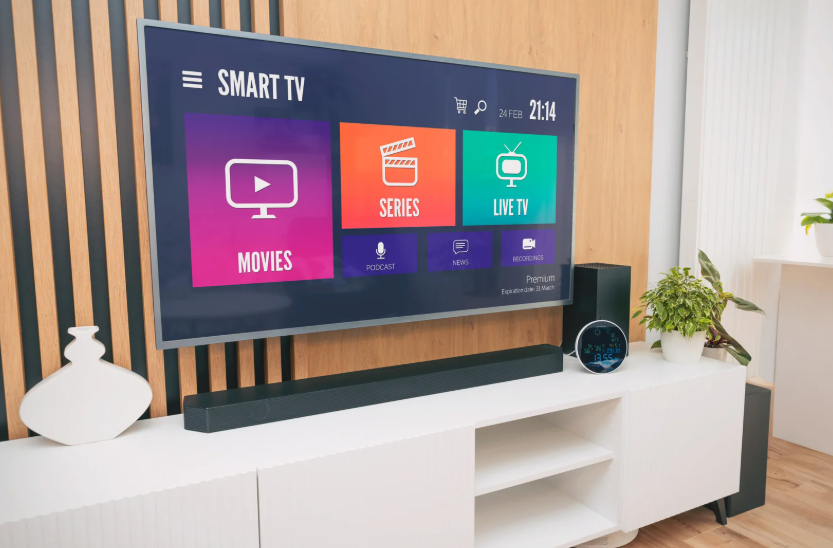
Most TVs from the last several years are fully capable of handling modern streaming services. They support HD or 4K resolution, connect to Wi-Fi, and run popular apps.
If your experience is smooth and reliable, there is little reason to replace your TV. Minor inconveniences, such as slower menus or occasional lag, can often be solved without buying new hardware.
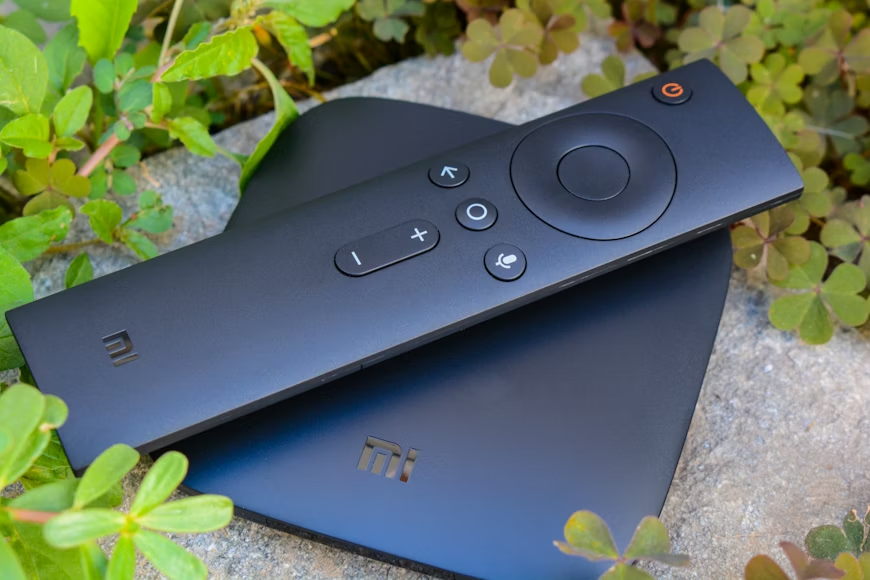
Adding a dedicated streaming device is one of the easiest ways to improve performance. It provides faster navigation and better app support without replacing your TV.
This approach delivers most of the benefits of a new TV at a fraction of the cost.
Read Smart TVs vs Streaming Devices: Which Saves More Money before replacing your TV.
Signs You Might Actually Need an Upgrade
There are situations where upgrading makes sense. If your TV no longer supports key apps, struggles with playback, or cannot handle the resolution you want, it may be time to consider a replacement.
Another factor is compatibility. Some older TVs may not support newer streaming features or formats, which can limit your access to certain content.
Hardware issues also matter. If your TV has display problems, connectivity issues, or other physical limitations, upgrading may be the more practical solution.
The key is to focus on functional limitations, not just the appeal of newer features.
Explore The Lifespan Cost of a Smart TV Setup before making a larger purchase.
The Cost of Chasing Incremental Improvements
New TVs often promise better picture quality, higher brightness, and improved processing. While these upgrades can enhance the experience, the improvements are often incremental.
For many viewers, the difference between a current TV and a new model is noticeable but not transformative. The cost of upgrading your TV may outweigh the benefit.
Behavioral patterns show that people often upgrade devices when they feel limited, even when those limitations can be solved more simply.
This can lead to spending more than necessary for relatively small gains.
The Role of Streaming Devices in Efficiency
Streaming devices offer a cost-effective alternative to upgrading your TV. They are designed specifically for streaming, with better performance and more consistent updates.
By connecting a device to your existing TV, you can access the latest apps and features without replacing the display itself.
This extends your TV’s lifespan and reduces the need for large purchases. It also allows you to upgrade your streaming experience independently of your hardware.
For most users, this is the most efficient path.
Compare Gaming Consoles as Streaming Devices: Smart or Wasteful? before adding hardware.
Balancing Cost and Experience
The decision to upgrade should come down to value. If a new TV significantly improves your experience and solves real limitations, it may be worth the investment.
If the benefits are minor, it is usually better to keep your current setup and make smaller improvements where needed.
Efficiency is about getting the best experience for the lowest cost, not always having the newest technology.
Making the Right Decision for Your Setup
Start by evaluating your current experience. Identify any issues that affect your ability to stream content effectively.
Then consider whether those issues can be solved with a lower-cost solution, such as a streaming device or a network upgrade.
Only consider replacing your TV if the limitations cannot be addressed in other ways.
TV Wallet helps you make these decisions with clarity by showing how hardware choices fit into your overall streaming costs, so you can invest where it truly matters.