Over the full lifespan, a smart TV becomes part of a much larger system, and that system incurs a long-term smart TV setup cost.
A smart TV purchase feels like a one-time expense. You buy the screen, bring it home, and start streaming. But the real cost of a smart TV is not just the price of the box. It is everything that happens over the life of that setup, including upgrades, devices, subscriptions, and the way your habits evolve around it.
The Initial Purchase Is Only the Beginning
The upfront cost of a smart TV can vary widely, but even a mid-range model represents a significant investment. Most people expect that purchase to last several years, and in terms of display quality, it usually does.
However, the built-in software often ages faster than the hardware. Apps can become slower, less responsive, or even unsupported over time.
This creates a situation where the TV still works, but the streaming experience declines. At that point, you are faced with a choice: replace the TV or find a workaround.
The initial purchase is just the starting point of that decision cycle.
See Do You Need a New TV to Stream Efficiently before replacing working hardware.
The Cost of Keeping Software Current
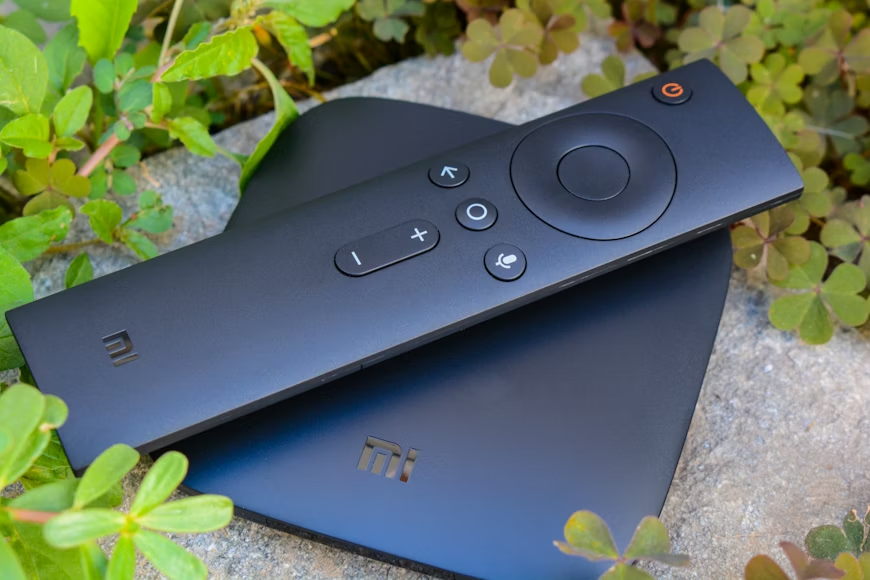
To extend the life of a smart TV, many users add a streaming device. This is a relatively low-cost solution that restores performance and access to updated apps.
While this is far cheaper than replacing the TV, it still adds to the overall cost of the setup. Over the TV’s lifespan, you may replace or upgrade it multiple times.
For example, adding a $40-$50 device every few years can add $100 or more to the total cost over time.
This is not a negative; it is often the most efficient approach, but it is part of the true cost of ownership.
Compare Budget vs Premium Streaming Devices: What Do You Actually Gain? before upgrading your device.
Subscription Costs Over Time
The highest ongoing cost of a smart TV setup is not the hardware; it is the subscriptions. Over several years, streaming services often cost far more than the TV itself.
A household spending $80 per month on subscriptions will pay $960 per year. Over five years, that is $4,800.
Compared to that, even a $600 TV becomes a smaller part of the total cost.
This highlights an important point. The TV enables the system, but the subscriptions drive the long-term expense.
Check What Your Streaming Subscriptions Actually Cost Per Year to see the bigger total.
Upgrade Cycles and Replacement Decisions
Smart TVs are typically replaced every five to seven years. Performance, new features, or changes in viewing habits often influence the decision to upgrade.
Sometimes the upgrade is necessary, such as when the display fails or apps are no longer supported. Other times, it is driven by incremental improvements that may not justify the cost.
Behavioral patterns show that people often replace devices when they feel limited, even when those limitations can be addressed in other ways.
This can lead to higher-than-necessary long-term spending.
Energy and Operating Costs
Smart TVs also have ongoing operating costs, primarily through electricity usage. While modern TVs are relatively efficient, they still contribute to your monthly energy bill.
When combined with other devices, such as streaming boxes or sound systems, the total energy cost increases slightly over time.
Individually, these costs are small, but they are part of the overall picture.
Over several years, even minor expenses can add up.
The Total Lifespan Cost
When you combine all these factors, the total cost of a smart TV setup becomes much clearer.
The initial purchase, replacement devices, subscription fees, and operating costs all contribute to the final number.
For many households, the total cost over five to seven years can reach several thousand dollars, with subscriptions accounting for the largest share.
This does not mean the setup is not worth it. It simply means the true cost is much higher than the initial purchase price.
Explore Smart TVs vs Streaming Devices: Which Saves More Money for another hardware cost comparison.
Making Smarter Long-Term Decisions
The best way to manage the lifespan cost of a smart TV setup is to focus on efficiency. Extend the life of your TV with low-cost upgrades instead of replacing it prematurely.
Keep your subscription stack lean and aligned with your viewing habits. This has the biggest impact on your long-term spending.
Evaluate upgrades carefully. Make sure they solve real problems rather than just offering incremental improvements.
TV Wallet helps you see the full lifecycle of your streaming setup, so you can make decisions that reduce costs over time while maintaining a great viewing experience.